
Media Literacy and Information Literacy? Stop Using Old Methods
— 5 min read
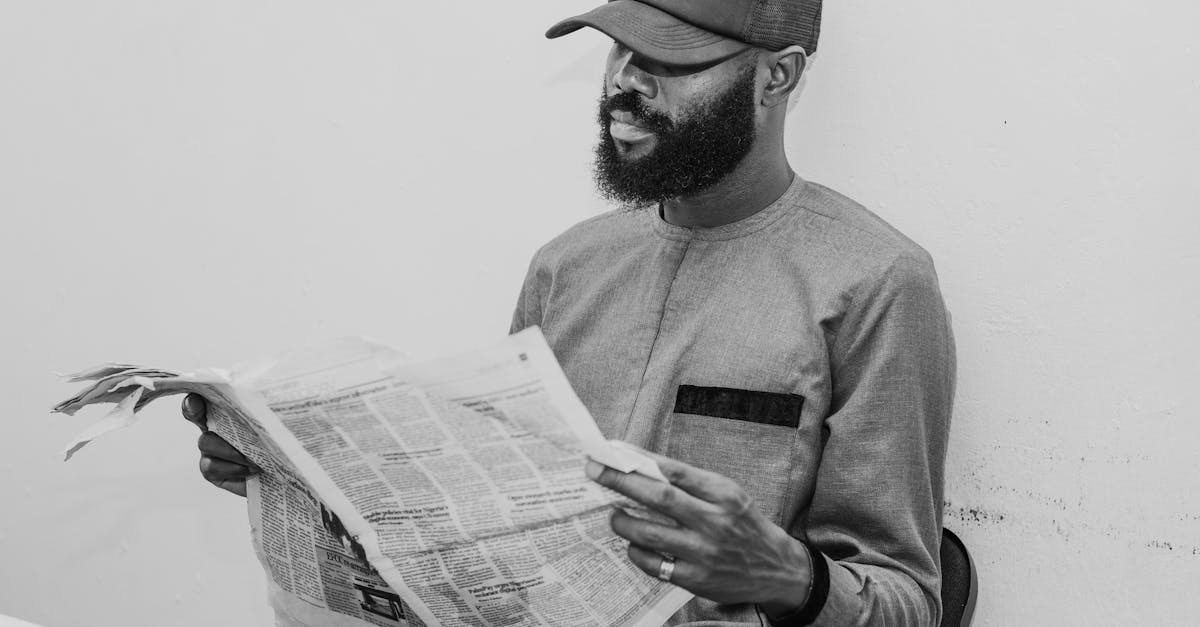
83% of Kenyan youth report trusting unverified online posts, showing that old media-literacy methods are failing.
In my experience, the solution lies in updating curricula, training teachers, and giving students real tools to verify information before it spreads.
Kenyan youth trust unverified posts at an alarming rate, a symptom of outdated media-education practices.
Media Literacy and Information Literacy
When I first consulted with Kenya's Ministry of Education, the biggest gap was a lack of clear alignment between media-literacy goals and the national digital citizenship standards. Without mapping outcomes, teachers end up teaching isolated facts that do not translate into everyday critical thinking.
Curriculum mapping should start with a cross-walk of UNESCO's media-literacy competencies against Kenya's existing ICT syllabus. I have helped schools create a matrix that shows where each competency - access, analyze, evaluate, create - fits into subjects like Social Studies, English, and Computer Science. This approach prevents the “add-on” feeling and embeds media skills into everyday learning.
A two-day professional development workshop is essential. During my workshops, I reverse-engineer a popular news story, pulling apart headline framing, source selection, and visual cues. Teachers learn to ask: Who benefits from this message? What assumptions are hidden? When they model this process, class discussions shift from anecdotal opinions to evidence-based analysis.
Peer-review systems turn students into micro-journalists. I introduced a simple workflow where learners draft a five-sentence opinion piece on a local issue, then exchange it with a classmate for fact-checking. The reviewer must locate at least two reputable sources and annotate any questionable claims. This accountability loop mirrors real-world editorial standards and gives students a taste of professional responsibility.
Key Takeaways
- Map UNESCO competencies to Kenyan standards.
- Two-day workshops shift teacher focus to analysis.
- Peer review builds real-world accountability.
- Publish student work to reinforce accurate reporting.
- Continuous assessment keeps skills fresh.
Facts About Media and Information Literacy
Media literacy is more than reading a news article; it is a broadened understanding of literacy that includes the ability to access, analyze, evaluate, and create media in various forms (Wikipedia). In my classroom, I see students who can navigate a smartphone but stumble when asked to assess a source’s credibility.
The UNESCO Multimedia Toolkit emphasizes that media literacy also requires ethical reflection and the capacity to act responsibly (UNESCO). When students recognize the power of information, they become agents of positive change rather than passive consumers.
Across Africa, the Africa Digital Literacy Index shows that many secondary students feel overwhelmed by the sheer volume of information. I have observed this fatigue manifest as quick scrolling and minimal engagement. Structured fact-checking labs - where learners work in small groups to verify a set of claims - provide a focused outlet that reduces stress and builds confidence.
Parents in Kenya often voice concern that their children lack confidence in distinguishing credible sources. By integrating a standardized media-literacy checklist into lesson plans, teachers can provide transparent criteria that parents can see and understand. This transparency boosts parental trust and creates a home-school partnership around critical thinking.
Ultimately, facts about media literacy are not static numbers; they are lived experiences that shift when curricula adapt, teachers model analysis, and families engage in the learning process.
Media Literacy Fact Checking
One of the most effective strategies I have employed is assigning a "claim-verifier" role to a different student each class. The claim-verifier selects a statement from the day’s reading, then leads the class in locating primary documents that either support or refute it. This role-play turns abstract verification into a tangible activity and encourages all students to think like investigators.
Digital annotation tools such as Hypothes.is allow learners to highlight passages, add comments, and link directly to source material. In my workshops, students annotate a news article in real time, marking bias cues, missing data, and source credibility. The visual record stays on the page, giving them a reference they can revisit weeks later, which reinforces retention of critical media skills.
Gamified scoreboards add an element of instant feedback. I set up a simple leaderboard where teams earn points for correctly identifying misinformation, citing reliable sources, and explaining their reasoning. The competitive yet collaborative environment keeps energy high and pushes students to refine their fact-checking techniques.
These practices are not just classroom tricks; they align with UNESCO’s call for active participation in the information ecosystem (UNESCO). When students practice verification repeatedly, they internalize a habit that carries over into their personal media consumption.
Digital Literacy and Fact Checking
Emerging technologies can deepen students' verification skills. I introduced a blockchain-based content provenance demo that shows how each edit to a digital article is recorded. While the technology is still nascent, the visual trace of editorial changes helps learners see how information can be altered over time.
Machine-learning filtering APIs, such as those that flag potential bias, are useful teaching aids. I pair these tools with classroom discussions, asking students to interpret why an algorithm flagged a piece of content. This exercise uncovers hidden assumptions in the code and teaches students to question not just the content but the platforms that deliver it.
Cross-platform verification is another pillar of modern digital literacy. I have students use a news aggregator to compare how the same story is presented across multiple outlets - local radio, international web sites, and social media feeds. By noting differences in headline framing, source citation, and visual emphasis, learners become aware of echo-chamber effects and learn to triangulate information.
These techniques move beyond the old habit of checking a single source. They prepare Kenyan students for civic tech roles where data provenance, algorithmic awareness, and multi-source synthesis are daily requirements.
Understanding Media and Information Literacy
Role-play scenarios bring ethical dimensions to life. In a recent session, I divided the class into journalists, influencers, and regulators. Each group drafted a short media piece on a mock public health issue, then debated the responsibilities of their roles. The exercise sparked deep conversations about accuracy, sensationalism, and public trust.
Local case studies anchor abstract concepts in familiar reality. I use recent Kenyan misinformation episodes - such as false election rumors - and walk students through how the claims originated, spread, and were debunked. Seeing the local impact makes the need for vigilance personal and urgent.
Annual workshops that invite community leaders, such as newspaper editors and radio hosts, close the loop between school and society. When these leaders share real examples of verification work, students see that their classroom skills are valued beyond school walls. The community dialogue also reinforces the idea that media literacy is a lifelong civic duty.
By integrating scenario-based role-play, local case studies, and community workshops, we move from a theoretical definition of media literacy to a lived practice that students can carry into adulthood.
| Aspect | Traditional Method | Modern Integrated Approach |
|---|---|---|
| Curriculum Design | Standalone media-literacy unit | Cross-subject mapping with digital citizenship standards |
| Teacher Training | One-off lecture | Two-day workshops with reverse-engineering activities |
| Student Assessment | Multiple-choice quizzes | Peer-reviewed micro-opinion pieces and fact-checking labs |
| Technology Use | Occasional video clips | Annotation tools, blockchain demos, AI filtering APIs |
FAQ
Q: Why do old media-literacy methods fail in Kenya?
A: They often treat media skills as an add-on, lacking alignment with digital citizenship standards and real-world verification tools. This results in superficial knowledge that does not translate into critical consumption.
Q: How can teachers quickly adopt a modern curriculum?
A: Start by mapping UNESCO media-literacy competencies to existing subjects, then run a two-day workshop that focuses on reverse-engineering media messages. Follow up with peer-review activities to reinforce learning.
Q: What role do digital tools play in fact checking?
A: Tools like Hypothes.is let students annotate sources directly, while blockchain demos show editorial history. AI filtering APIs expose algorithmic bias, and news aggregators help compare multiple narratives.
Q: How can schools involve the community in media literacy?
A: Annual workshops that invite journalists, influencers, and regulators create a dialogue between students and real-world practitioners, reinforcing the relevance of classroom skills beyond graduation.